 Skip to content
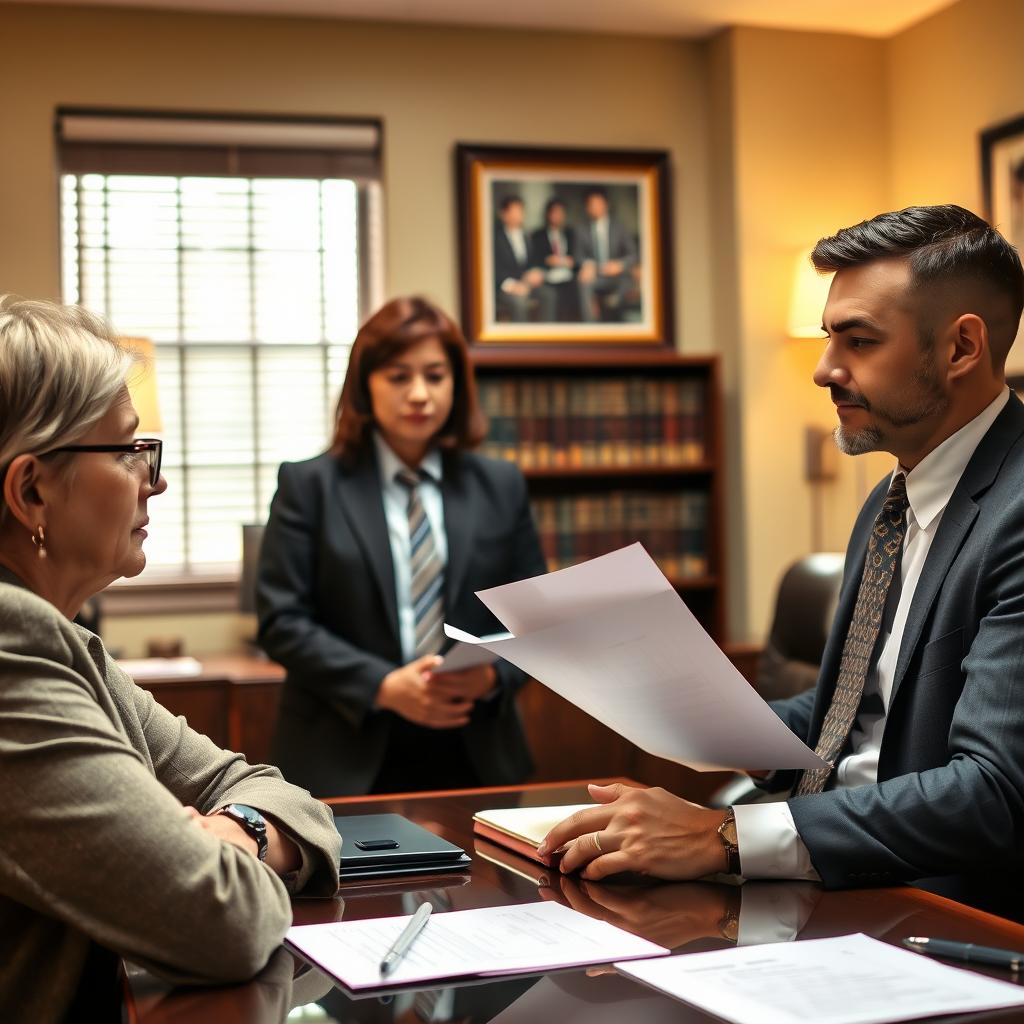
What happens at a criminal arraignment in Rockville
At a criminal arraignment in Rockville, a judge formally informs you of the charges against you,
asks you to enter a plea, and may address bail or scheduling for the next steps in your case. In
Maryland, this typically occurs at the District Court of Maryland for Montgomery County, located at
191 East Jefferson Street in Rockville. The arraignment is a critical early-stage proceeding, not a
trial—it sets the procedural path forward. Whether you are facing a misdemeanor or a felony, the
plea you enter carries significant downstream consequences. Mr. Sris and his Of Counsel team at
Law Offices Of SRIS, P.C. Regularly guide clients through arraignments in Rockville and throughout
Maryland, drawing on experience that includes a former Maryland prosecutor who understands how
the state builds its cases. For a consultation about your upcoming arraignment, reach our firm at
(888) 437‑7747.
Law Offices Of SRIS, P.C. – Advocacy Without Borders.
What to Expect at a Criminal Arraignment in Rockville
The arraignment is the court session where the judge reads the charging document aloud and ensures
you understand the allegations. In Montgomery County, arraignments are conducted at the District Court
for misdemeanors and at the Circuit Court for felonies. You will be asked to enter a plea—guilty, not
guilty, or, with the court’s consent, nolo contendere. A not guilty plea preserves your right to
contest the charges and moves the case toward trial or further negotiations. If you plead guilty, the
court may proceed to sentencing or order a pre‑sentence investigation. The judge may also revisit
your pretrial release conditions, such as bail amount or supervision requirements, at the arraignment.
Because the outcome of this hearing shapes the entire case, having an experienced defense attorney
present is important. Mr. Sris and his Of Counsel team attend arraignments with clients in Rockville,
ensuring that the plea is strategically entered and that all procedural protections are preserved.
Maryland criminal procedure uses an initial appearance before a District Court commissioner shortly
after arrest—typically within 24 hours—where bail is initially set. The arraignment is a separate,
later hearing before a judge. For misdemeanors in the District Court, the arraignment often occurs
within a few weeks of the initial appearance. For felonies, after a probable cause finding at a
preliminary hearing, the case moves to the Circuit Court, where the arraignment may be scheduled on
the court’s calendar. The District Court of Maryland for Montgomery County does not conduct jury
trials; if you have a right to a jury trial in a criminal matter, your case will be transferred to
the Montgomery County Circuit Court at 50 Maryland Avenue in Rockville. Mr. Sris and his Of Counsel
understand these procedural nuances and help clients navigate each step.
Frequently Asked Questions
What is an arraignment in a Maryland criminal case?
An arraignment is the formal court hearing where the defendant is informed of the criminal
charges and enters a plea. In Maryland, the arraignment follows the initial appearance before
a commissioner and is conducted before a judge. The court reads the charging document—typically a
citation, statement of charges, or indictment—and asks the defendant to respond. The plea options
are guilty, not guilty, or, with judicial approval, nolo contendere. A not guilty plea moves the case
into the pretrial phase and preserves the defendant’s right to challenge the evidence. The arraignment
is not the time for presenting evidence or arguing the merits of the case; it is a procedural step
that sets the case on track for trial or resolution.
When does the arraignment take place after an arrest in Rockville?
The arraignment typically occurs within a few weeks of the arrest in Rockville, after the
initial appearance before a District Court commissioner. The exact timing depends on whether
the charge is a misdemeanor or a felony, the court’s docket, and whether the defendant is in custody
or released on bond. For in‑custody defendants, the court may schedule the arraignment more quickly.
The initial appearance—held before a commissioner, not a judge—sets bail, while the arraignment is
the first substantive hearing before a judge. Your attorney can confirm the date by reviewing the
court’s scheduling order. Reaching our firm early in the process helps ensure you are prepared for
that date.
What should I say at my arraignment?
At the arraignment, you should speak only to enter your plea and, if asked, to confirm your
identity and understanding of the charges. You are not required to provide any statement
about the facts of the case, and anything you say beyond your plea can be used against you. It is
advisable to let your attorney speak on your behalf regarding any legal issues. If you do not have an
attorney, you may ask the court to postpone the arraignment so you can retain counsel. The safest
approach is to answer the judge’s questions directly and briefly, and to avoid explaining your side
of the story until you have consulted with defense counsel.
Can I have an attorney at my arraignment in Rockville?
Yes, you have the right to be represented by an attorney at your arraignment in Rockville,
and it is strongly advisable to have one present. If you cannot afford a lawyer, you may
request the public defender at your initial appearance or at the arraignment, but eligibility is
determined by income. A private attorney can attend the arraignment with you, enter your plea
strategically, and address bail or release conditions on the spot. Mr. Sris and his Of Counsel team
regularly appear at arraignments in Montgomery County District Court and Circuit Court, ensuring
clients are not left to navigate the process alone.
What happens if I plead not guilty?
If you plead not guilty, the court will schedule a trial date and the case proceeds to the
pretrial phase, which may include discovery, motions, and possible plea negotiations. In
District Court misdemeanor cases, a trial date is often set at the arraignment itself. In Circuit
Court felony cases, the arraignment is followed by a scheduling conference. A not guilty plea does
not mean you are asserting innocence—it means you are exercising your right to require the state to
prove its case beyond a reasonable doubt. It keeps all legal options open while your defense counsel
investigates the evidence and explores potential resolutions.
Can bail be addressed at the arraignment?
Yes, the judge can review and modify bail conditions at the arraignment if your attorney
requests it. While bail is initially set by a commissioner at the initial appearance, a
defendant may ask the judge to reconsider the amount or conditions. The court considers factors such
as ties to the community, the severity of the charges, and any risk of flight. An experienced
attorney can present a compelling argument for release on personal recognizance or a reduced bond.
If you are detained, a bail review hearing may be separately scheduled, but the arraignment provides
an additional opportunity to address pretrial release.
What if I cannot afford an attorney?
If you cannot afford an attorney, you may apply for representation by the Office of the
Public Defender at your initial appearance or at the arraignment. Eligibility is determined
based on your income and the nature of the charges. If you qualify, a public defender will be
appointed to represent you. However, if you do not qualify but still cannot afford private counsel,
you may need to seek other arrangements. The court will advise you of your right to counsel. Contacting
our firm early allows us to discuss fee structures and representation options that may fit your
circumstances.
What is the difference between an initial appearance and an arraignment in Maryland?
The initial appearance occurs before a District Court commissioner within hours of arrest and
addresses bail and advisement of rights; the arraignment occurs later before a judge and focuses on
the formal reading of charges and entry of a plea. At the initial appearance, the commissioner
informs the defendant of the charges, advises of the right to counsel, and sets bail or release
conditions. No plea is entered. The arraignment is the first time the defendant stands before a judge
and enters a plea. Understanding this distinction is important because the two proceedings serve
different legal functions and involve different decision‑makers.
Do I need a lawyer for an arraignment in Rockville?
You are not legally required to have a lawyer at an arraignment, but having one is frequently consulted because the plea you enter is a critical decision that affects the entire case.
A lawyer can ensure you do not inadvertently waive rights, can negotiate with the prosecutor if
appropriate, and can address bail issues on the spot. Self‑represented defendants may not fully
appreciate the long‑term consequences of a guilty plea or certain procedural choices. Mr. Sris and
his Of Counsel are prepared to appear at arraignments in Rockville courts to protect your interests
from the earliest stage.
What should I bring to my arraignment?
You should bring a valid government‑issued photo ID, any bail paperwork, your attorney’s
contact information, and, if applicable, proof of employment or community ties that may support a
request for release modification. The court may inquire about your background when considering
bail; having documentation ready can help. Do not bring weapons, and be aware that courthouse
security screenings apply. Dress respectfully and arrive early to find your courtroom. If you have
not yet retained an attorney, you may bring documents showing your financial situation if you intend
to apply for the public defender.
What happens after the arraignment?
After the arraignment, if you pled not guilty, the case moves into the pretrial phase—your
attorney will begin gathering evidence, filing motions, and negotiating with the prosecution.
In District Court, trial dates are often set at the arraignment. In Circuit Court, a scheduling
conference and trial date follow. If you pled guilty, the court may proceed to sentencing immediately
or order a pre‑sentence investigation. Your attorney will guide you through the next steps, including
any required court appearances, discovery obligations, and potential plea discussions. Resolving a
criminal case can take time, but a well‑prepared defense starts at the arraignment.
For guidance on your specific situation, reach Law Offices Of SRIS, P.C. at (888) 437‑7747.
About Mr. Sris and His Of Counsel Team
Mr. Sris, Owner and Founder of Law Offices Of SRIS, P.C., established the firm in 1997. He is a
former prosecutor who now concentrates his practice on criminal defense, bringing insight into how
the prosecution approaches cases. His Of Counsel team includes a former Maryland prosecutor with
experience in both District and Circuit Court proceedings—a perspective that is directly applicable
to Rockville criminal matters. Together, Mr. Sris and his Of Counsel bring over 120 years of combined legal experience and have achieved 4,739+ documented firm-wide results. Results may vary. The firm is
rooted in a commitment to thorough defense preparation and advocacy for clients at every stage,
from arraignment through trial.
Annapolis criminal defense ·
Bethesda criminal lawyer ·
Gaithersburg criminal charges ·
College Park criminal representation
Attorney advertising. Prior results do not guarantee a similar outcome.
Results may vary.
Case results depend on a variety of factors unique to each case.
