
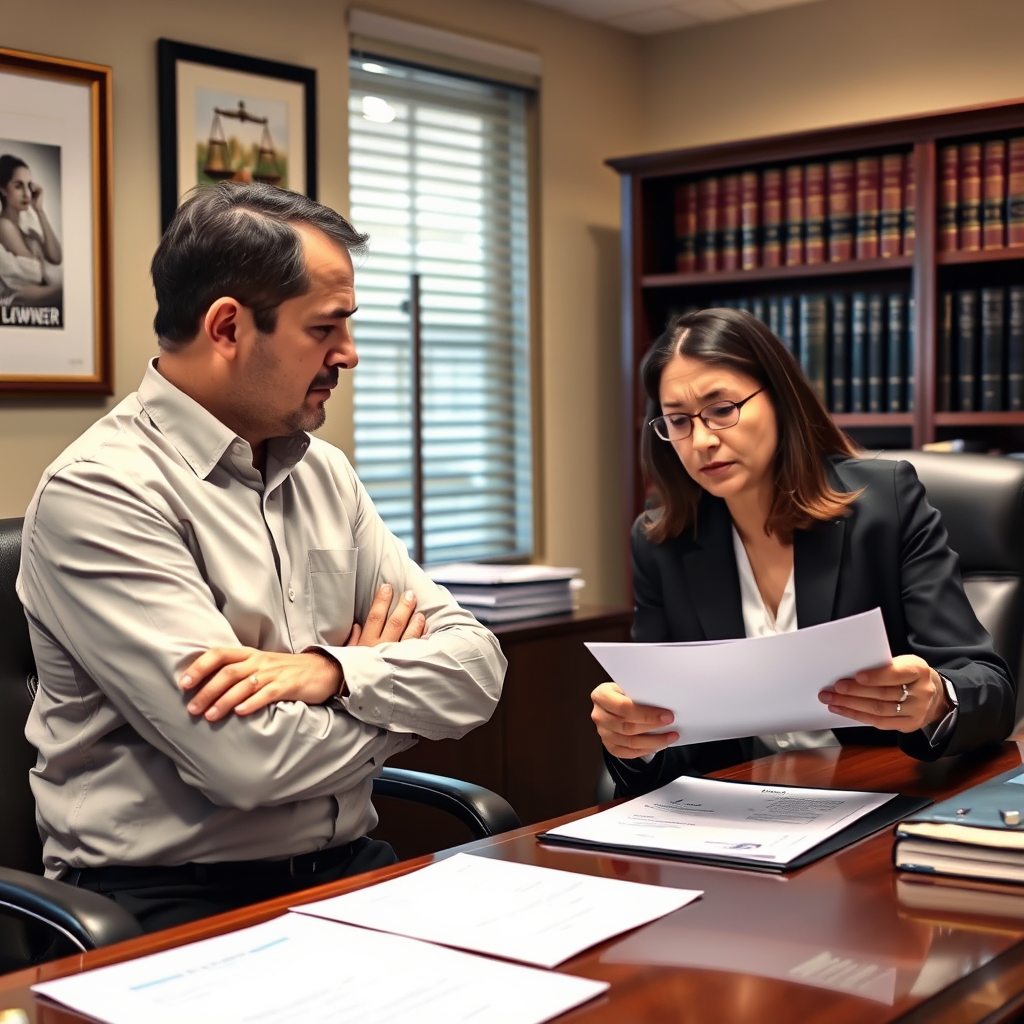
Virginia Domestic Violence Expungement: Clearing Your Record with a Knowledgeable Lawyer
As of December 2025, the following information applies. In Virginia, domestic violence expungement involves the legal process of removing arrest, charge, or conviction records related to domestic violence from public access. This process can help individuals clear their name and move forward. The Law Offices Of SRIS, P.C. provides dedicated legal defense for these matters.
Confirmed by Law Offices Of SRIS, P.C.
What is Domestic Violence Expungement in Virginia?
Imagine you’ve been arrested or charged with domestic violence in Virginia. Even if the charges were dismissed, you were acquitted, or you received a pardon, that record can still linger. It can pop up on background checks, affect job prospects, housing applications, and even your peace of mind. Domestic violence expungement is the legal process that allows eligible individuals in Virginia to petition the court to have those specific records physically removed or erased from public view. It’s not about erasing history, but about giving you a fresh start by preventing the general public, and most employers, from seeing past legal troubles that didn’t result in a conviction, or where justice determined you weren’t at fault. Think of it like taking a permanent marker to a mistake you didn’t make, or a charge that didn’t stick, ensuring it doesn’t unfairly color your future opportunities.
In Virginia, expungement is generally available for arrests that did not lead to a conviction. This includes situations where charges were dismissed, a nolle prosequi was entered (meaning the prosecutor decided not to pursue the case), or you were found not guilty. It can also apply to pardoned offenses in some instances. The goal is to provide a clean slate, particularly when the legal system ultimately determined there wasn’t enough evidence to convict, or that the arrest itself was unfounded. It’s about reclaiming your reputation and your future from the shadow of a past accusation. Understanding these distinctions is key to determining your eligibility and pursuing the path to a clear record in the Commonwealth.
The implications of an unexpunged domestic violence record can be far-reaching and incredibly frustrating. It can impact your ability to secure employment, especially in fields requiring background checks, or even when applying for professional licenses. Housing applications often ask about criminal history, and an old domestic violence record can lead to denials. Even personal relationships can be strained by the existence of such a record. An expungement helps mitigate these negative consequences, allowing you to honestly state that you have not been convicted of a crime, at least concerning the expunged charge, on most applications. It provides a real sense of relief and can genuinely open doors that were previously closed due to a past legal challenge.
Many folks don’t realize the lasting impact an arrest record can have, even without a conviction. It’s not just about convictions; the mere fact of an arrest can be a barrier. Virginia law is specific about what can and cannot be expunged, making it essential to understand the nuances. For instance, if you were convicted of a domestic violence offense, expungement is generally not an option under Virginia law, with very limited exceptions. However, if your case was dismissed, you were acquitted, or you successfully completed a diversion program, you likely have strong grounds for expungement. The process is precise and requires careful adherence to legal procedures. It’s not something you want to guess your way through.
Ultimately, domestic violence expungement in Virginia is a powerful legal remedy for those who deserve a chance to move past an unfortunate chapter. It’s designed to protect individuals from the ongoing stigma of an arrest record when the outcome was favorable. Having a knowledgeable Virginia domestic violence expungement lawyer on your side can make all the difference, ensuring every step is taken correctly and your petition has the best possible chance of success. This isn’t just about paperwork; it’s about your future.
**Takeaway Summary:** Domestic violence expungement in Virginia clears arrest records that didn’t lead to conviction, offering a fresh start from public stigma. (Confirmed by Law Offices Of SRIS, P.C.)
How to Expunge a Domestic Violence Record in Virginia: The Steps You Need to Take
Getting a domestic violence record expunged in Virginia isn’t always simple, but it’s definitely doable with the right approach. It involves a series of legal steps that must be followed precisely. Here’s a look at how it generally works:
-
Determine Eligibility for Expungement
First things first: are you even eligible? In Virginia, you can generally only expunge arrest records where there was no conviction. This means if your domestic violence charge was dismissed, you were found not guilty, a nolle prosequi was entered, or you received an absolute pardon, you’re likely in the running. If you were convicted, it’s a much tougher road, and typically not possible under Virginia law. It’s important to understand this distinction upfront, as it dictates whether pursuing expungement is a viable option for you. Don’t waste your time or money if you don’t meet the basic criteria. A thorough review of your case details by a legal professional can confirm your eligibility and prevent unnecessary delays or disappointment.
-
Gather Necessary Documentation
Once you know you’re eligible, you’ll need to collect all relevant documents. This includes certified copies of your arrest warrant, the court disposition (the final outcome of your case), and any other related court orders or documents. You’ll also need your criminal history record from the Virginia State Police. This isn’t a quick trip to the library; it can involve requesting records from various agencies, and sometimes waiting for them. Having everything in order before you file is key to a smooth process. Missing even one piece of paper can halt your expungement efforts right in their tracks. Organizing these documents can feel overwhelming, but it’s a critical foundational step. We can help you identify and secure all required paperwork efficiently.
-
File a Petition for Expungement
This is where the formal legal process begins. You’ll need to prepare and file a “Petition for Expungement” with the appropriate Circuit Court in Virginia. This petition must clearly state the facts of your arrest, the disposition of your case, and why you are seeking expungement. It’s not just filling out a form; it’s a legal pleading that needs to meet specific requirements. The petition usually includes a sworn affidavit from you, detailing that the arrest was erroneous or that you were acquitted, or that the charge was dismissed. Accuracy and completeness are paramount here, as any errors could lead to your petition being rejected. This isn’t the time for guesswork; it’s a legal document that demands precision.
-
Serve the Commonwealth’s Attorney
After filing your petition, you must formally “serve” a copy of it on the Commonwealth’s Attorney for the jurisdiction where the arrest occurred. This step is critical because the Commonwealth’s Attorney has the right to object to your expungement. They are the opposing party in this legal action. Proper service ensures they are aware of your petition and have an opportunity to respond. Failure to properly serve them could result in your petition being dismissed. This isn’t a casual drop-off; it has to be done according to specific legal rules. We make sure this is done correctly, avoiding any procedural missteps that could jeopardize your case.
-
Attend the Expungement Hearing
Unless the Commonwealth’s Attorney agrees to the expungement (which sometimes happens if your case is clear-cut), you’ll likely have to attend a hearing before a judge. At this hearing, you’ll need to present your case, explaining why the expungement is warranted and that the continued existence of the record constitutes a manifest injustice to you. The judge will listen to arguments from both sides and then make a decision. This is your chance to tell your story and convince the court that your record should be cleared. Having experienced legal counsel by your side at this hearing is invaluable, as they can advocate on your behalf and address any questions or concerns the judge may have.
-
Obtain and Distribute the Expungement Order
If the judge grants your petition, they will issue an Expungement Order. This order is the official document that legally directs the various agencies (like the Virginia State Police, local police departments, and courts) to remove or destroy the records related to your arrest. You’ll need to ensure that certified copies of this order are properly distributed to all relevant agencies. This isn’t a passive step; you must actively follow up to ensure the order is complied with. It’s a process that requires diligence to make sure every last trace is handled. This final step is crucial to realizing the full benefits of expungement. We’ll help you track and confirm that all agencies comply with the court’s directive.
Each of these steps requires careful attention to detail and a thorough understanding of Virginia’s legal requirements. Attempting to navigate this process alone can be frustrating and may lead to errors that delay or even prevent your expungement. That’s why having a knowledgeable Virginia expungement lawyer is a real advantage. We can help you understand your eligibility, gather the necessary documentation, prepare and file your petition, represent you at the hearing, and ensure the expungement order is properly executed. Your clear record is too important to leave to chance.
Keep in mind that while expungement can clear many public records, certain agencies, particularly federal ones, may still retain limited access to information, especially for specific types of background checks or security clearances. However, for most purposes – employment, housing, and general background checks – a successful expungement in Virginia means your past arrest will no longer be visible. It’s about giving you control over your personal narrative and removing obstacles to your future success. Let’s face it, nobody wants a ghost from their past showing up uninvited.
The entire process, from gathering documents to receiving the final order, can take several months. Patience is a virtue here, but proactive management is also key. We work to move your case forward efficiently, keeping you informed at every stage. Don’t let the complexity deter you; getting your record cleared is an investment in your future.
Can I Expunge a Protective Order in Virginia? Addressing Your Concerns
When we talk about clearing a domestic violence record, people often wonder about protective orders. It’s a really common and valid question, because protective orders, while not criminal convictions themselves, can certainly feel like a black mark and have serious consequences. Here’s the blunt truth: expunging a protective order in Virginia is a different beast than expunging a criminal arrest record, and often, it’s much more challenging, if not impossible, in the same way a criminal charge can be expunged. Let’s break down why.
A protective order, or restraining order, is a civil order issued by a judge to protect someone from alleged acts of family abuse. It’s not a criminal conviction, but violating one *is* a criminal offense. The records associated with the issuance of a protective order are generally considered civil court records, not criminal arrest records in the way an expungement statute typically addresses. Virginia’s expungement law specifically targets criminal charges that didn’t lead to a conviction. It doesn’t, in most cases, provide a clear pathway to “expunge” the mere existence of a protective order from public record as it pertains to civil filings.
However, that doesn’t mean you’re entirely without options to address the impact of a protective order. For example, if a temporary protective order was issued but then dismissed after a full hearing, or if a permanent protective order expired without being renewed, the immediate legal force of that order is gone. While the record of its issuance might remain in civil court files, its active legal impact on you ceases. It’s vital to understand the difference between the *active status* of an order and the *historical record* of its existence.
Sometimes, people confuse the underlying domestic violence charge (which *might* be expungable if dismissed) with the protective order itself. They are distinct. A dismissal of a criminal domestic violence charge does not automatically erase a protective order that may have been issued in conjunction with or independently of that charge. You might have had a protective order issued against you, and later the criminal charges related to the same incident were dismissed. In that scenario, you could pursue expungement of the criminal charge, but the protective order record would generally remain on the civil court docket.
So, what can you do if a protective order is affecting you? Your first step is to accurately determine the status and nature of the order. Was it temporary or permanent? Is it still active, or has it expired? Was it dismissed after a hearing? If you are facing an active protective order, your focus should be on defending against its issuance or, if it’s already in place, understanding its terms and working towards its expiration, or, in limited circumstances, its modification. If it’s expired, the active legal burden is lifted, even if the record exists.
Blunt Truth: There’s no straightforward “expunge protective order Virginia” button. The law doesn’t provide for the expungement of civil protective order records in the same way it does for criminal arrest records. Your best bet is to review the specific circumstances of your case with a seasoned legal professional. They can tell you what options, if any, exist for your particular situation. This might involve demonstrating that the order is no longer necessary, or simply waiting for its expiration, but it’s crucial to get tailored advice.
Having a skilled lawyer is incredibly helpful here because they can examine the nuances of your protective order, whether it was issued, modified, or dismissed. They can advise you on the practical implications of its existence and whether any avenues exist to address its impact, even if full “expungement” isn’t legally possible. Understanding what an order truly means for your future, and what your limitations are, is empowering. It beats living with uncertainty.
For example, in a past instance, we had a client who was concerned about a protective order from years ago that had long since expired. While we couldn’t “expunge” the civil court record of its initial issuance, we were able to clearly articulate to potential employers and housing providers that the order was no longer active and had no current legal effect, helping the client overcome a significant hurdle in their life. While this isn’t expungement in the strict sense, it’s about managing the fallout and presenting your situation clearly and legally. Every situation is unique, and getting experienced guidance is key.
Why Hire Law Offices Of SRIS, P.C. for Your Virginia Domestic Violence Expungement?
When your future hangs in the balance because of a past domestic violence arrest record, you don’t just need a lawyer; you need a knowledgeable and empathetic advocate who understands the stakes. At Law Offices Of SRIS, P.C., we get it. We know that a domestic violence charge, even if dismissed, can cast a long shadow over your life, impacting your job, housing, and personal reputation. Our approach is direct, reassuring, and always focused on getting you the best possible outcome.
Mr. Sris, our founder, has always emphasized a client-first philosophy. As he puts it: “My focus since founding the firm in 1997 has always been directed towards personally handling the most challenging and complex criminal and family law matters our clients face.” This insight drives our firm’s commitment to every client, ensuring you receive personalized attention and a robust defense or expungement strategy.
We’re not just about legal procedures; we’re about understanding your story and fighting for your right to a clean slate. Expungement cases, particularly those involving domestic violence, require meticulous attention to detail and a deep understanding of Virginia law. We’ll guide you through every step of the process, from determining your eligibility and gathering the intricate documentation to filing the petition and representing you in court. We make sure no stone is left unturned in our pursuit of clearing your record.
We also understand the emotional toll these situations can take. The fear of what might happen next, the frustration of being judged for something that didn’t lead to a conviction – these are real feelings. Our counsel provides clear, actionable advice, cutting through the legal jargon so you understand exactly where you stand and what to expect. We believe in empowering our clients with knowledge, transforming fear into clarity and, ultimately, hope. We’re here to be your steady hand through what can feel like a storm.
Law Offices Of SRIS, P.C. has locations in Virginia, including our office in Fairfax, conveniently located at 4008 Williamsburg Court, Fairfax, VA, 22032. You can reach us directly at +1-703-636-5417 to discuss your case. We’re ready to put our experience to work for you, fighting for your right to a fresh start. Don’t let a past accusation define your future. Let us help you put it behind you for good.
Call now for a confidential case review. We’re here to listen and help.
Frequently Asked Questions About Domestic Violence Expungement in Virginia
Here are some common questions people ask about clearing domestic violence records in Virginia:
Q: What types of domestic violence charges can be expunged in Virginia?
A: Generally, only domestic violence arrest records that did not lead to a conviction can be expunged. This includes cases that were dismissed, resulted in acquittal, or where a nolle prosequi was entered by the prosecutor.
Q: How long does the domestic violence expungement process take in Virginia?
A: The entire process, from filing the petition to receiving the final expungement order, typically takes several months, often between three to six months, depending on court dockets and agency response times.
Q: Do I need a lawyer for a domestic violence expungement in Virginia?
A: While not legally required, having an experienced lawyer is highly recommended. The process is complex, requires precise legal drafting, and involves court appearances, all of which benefit from legal guidance.
Q: What is the difference between expungement and sealing a record in Virginia?
A: Virginia law primarily allows for expungement, which physically removes or destroys records. There isn’t a “sealing” process like in some other states; expungement aims for a more complete removal from public access.
Q: Can I expunge a protective order in Virginia?
A: No, civil protective orders themselves are generally not subject to expungement under Virginia’s expungement statutes, which focus on criminal arrest records. Their active legal effect typically ends upon expiration or dismissal.
Q: What if my domestic violence expungement petition is denied?
A: If your petition is denied, you may have limited options for appeal, depending on the reason for denial. A knowledgeable lawyer can assess the grounds for denial and advise on any potential next steps or re-filing strategies.
Q: Will an expunged domestic violence record show up on a background check?
A: For most employment and housing background checks, an expunged record should not appear. However, certain government agencies or security clearances might still have limited access to such records.
Q: Are there any costs associated with domestic violence expungement in Virginia?
A: Yes, there are court filing fees, fees for obtaining criminal history records, and potential service fees. Attorney fees will also apply if you retain legal counsel for the expungement process.
Q: How does expungement affect my gun rights in Virginia?
A: An expunged record of an arrest that did not lead to a conviction typically does not impact gun rights. However, a domestic violence conviction (even a misdemeanor) will have lasting effects on firearm possession, even if other charges are expunged.
Q: Can I travel internationally with an expunged domestic violence record?
A: An expunged record generally means the charge won’t appear on standard background checks. However, some countries have strict entry requirements, and it’s always wise to check with the consulate of your destination country.
The Law Offices Of SRIS, P.C. has locations in Virginia in Fairfax, Loudoun, Arlington, Shenandoah and Richmond. In Maryland, our location is in Rockville. In New York, we have a location in Buffalo. In New Jersey, we have a location in Tinton Falls.
Past results do not predict future outcomes.