
Parole Hearing Lawyer Frederick County, VA
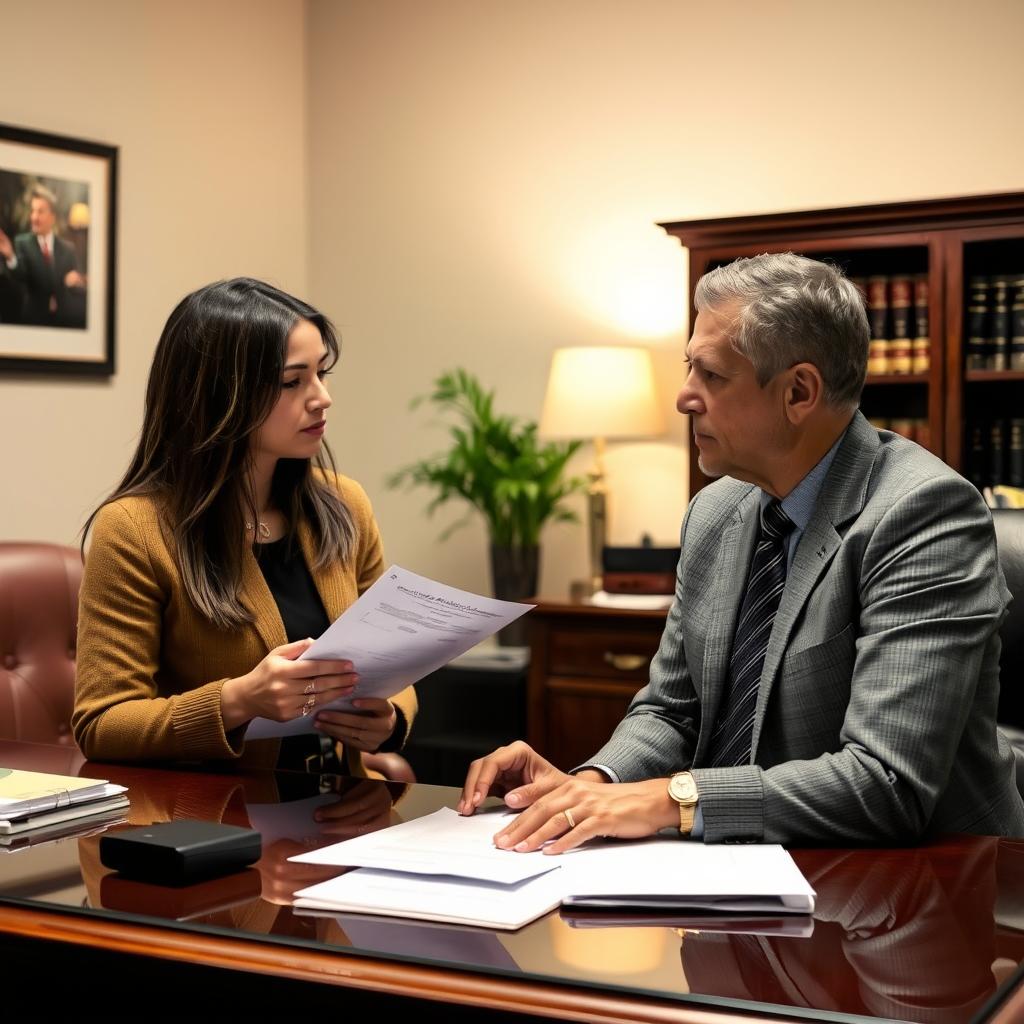
For an inmate approaching a parole hearing in Virginia, the opportunity to present a plan for release and a record of rehabilitation can influence whether the Virginia Parole Board grants discretionary release. The hearing is not a courtroom trial but an administrative review that weighs the offense of conviction, institutional conduct, participation in programming, and the viability of a release plan. An experienced parole hearing lawyer helps ensure the board sees a complete picture—not just the original offense. Mr. Sris and his Of Counsel at Law Offices Of SRIS, P.C. represent inmates at parole interviews, assist families in preparing supporting materials, and work to frame the applicant’s progress in the light most favorable to release. To discuss parole representation in Frederick County or anywhere in Virginia, call (888) 437-7747. Law Offices Of SRIS, P.C. — Advocacy Without Borders.
What Parole Hearings Mean in Frederick County, Virginia
Parole in Virginia is administered by the Virginia Parole Board, a state body that makes discretionary release decisions for inmates serving sentences under the pre-1995 parole‑eligibility framework. For offense dates on or after January 1, 1995, parole was abolished for most felonies, and truth‑in‑sentencing rules apply. Those serving old‑law sentences or falling within narrow exceptions remain eligible for parole consideration. For inmates housed in a correctional facility and whose cases are reviewed by the board, the hearing is a critical inflection point—often the first meaningful opportunity to seek release after many years.
Frederick County lies in the northern Shenandoah Valley and falls within the coverage area of the firm’s Shenandoah location. While parole hearings are held at correctional facilities or via video, the board’s administrative offices sit in Richmond. Mr. Sris and his Of Counsel regularly represent clients whose cases originated in Frederick County Circuit Court, and they bring familiarity with the expectations of the local Commonwealth’s Attorney’s office and the documentation often needed to support a strong parole application.
The parole hearing process in Virginia does not operate like a criminal trial. The board members consider the seriousness of the offense, the inmate’s institutional adjustment, disciplinary record, completion of recommended programming, and the strength of a post‑release plan. Having an attorney who can organize that information, present it clearly, and advocate for the applicant’s readiness can make a tangible difference in the board’s assessment.
How Mr. Sris and His Of Counsel Handle Parole Hearings
Preparation for a parole hearing begins well before the interview date. Mr. Sris and his Of Counsel gather institutional records, certificates of program completion, letters of support from family and community members, and any documentation that speaks to the inmate’s rehabilitation. They then work with the applicant to craft a coherent narrative that addresses the board’s likely concerns and highlights concrete steps taken toward reentry. The goal is not to minimize the offense but to show genuine change and a workable plan for life after incarceration.
At the hearing, the attorney may be present to make an oral statement, answer questions the board may raise, and ensure the applicant’s side is fully aired. Post‑hearing follow‑up—such as providing supplemental documentation or clarifying information—can also be important. Because the board has broad discretion, the attorney’s advocacy focuses on the statutory factors the board must consider, including the likelihood of successful reentry and the safety of the community. Each case is handled on its specific facts, and the timeline for a board decision varies.
About Mr. Sris and His Of Counsel Team
Mr. Sris, Owner and Founder of Law Offices Of SRIS, P.C., is a former prosecutor with experience in criminal trial work. Admitted in Virginia, Maryland, the District of Columbia, New Jersey, and New York, he founded the firm in 1997 and has guided it through thousands of criminal matters, including parole‑related representation. Mr. Sris testified before the Virginia House Courts of Justice Committee in support of 2019 HB 635 (chief patron Del. David Bulova).
The Of Counsel attorneys who assist in parole hearing preparation are experienced criminal practitioners. They work under Mr. Sris’s supervision to ensure that every parole candidate’s file is thoroughly prepared and that the board receives a complete, well‑organized presentation. Mr. Sris and his Of Counsel bring over 120 years of combined legal experience and have achieved 4,739+ documented firm-wide results. Results may vary.
Frequently Asked Questions
What is a parole hearing in Virginia?
A parole hearing is an administrative review by the Virginia Parole Board to decide whether to grant discretionary release to an eligible inmate. Unlike a court proceeding, it is not an adversarial trial; instead, board members examine the inmate’s offense, institutional record, rehabilitation efforts, and release plan. For those serving sentences from offenses committed before 1995, the board has discretion to release. An attorney can help present information that supports release.
How can an attorney help at a parole hearing?
An attorney assists by compiling a comprehensive parole packet, presenting the applicant’s rehabilitation story, and making oral and written submissions to the board. Counsel can identify and address weaknesses in the file, ensure that all positive accomplishments are documented, and advocate directly during the interview. Legal preparation often increases the likelihood that board members see the full picture of the applicant’s progress.
Am I eligible for parole in Virginia?
Eligibility depends primarily on the date of the offense; most felony offenses committed on or after January 1, 1995, are not eligible for discretionary parole under Virginia law. Inmates with older offenses or certain statutory exceptions may be eligible. A lawyer can review the sentencing order and the applicable law to determine whether a parole hearing is available and, if so, when the board will consider the case.
What happens at a parole hearing?
The board interviews the inmate, reviews the file and any materials submitted, and may hear from the attorney and supporters before making a decision. The hearing may last from about fifteen minutes to an hour. The board focuses on the factors it must consider by regulation, such as the inmate’s conduct, program completion, and the viability of a post‑release home and employment plan. A decision is typically issued later in writing.
Do I need a lawyer for a parole hearing?
An inmate is not required to have a lawyer at a parole hearing, but having experienced counsel can improve the presentation and substance of the case. A lawyer can identify the strong $1s, gather documentation the board expects to see, and ensure that the applicant answers questions thoughtfully while staying within favorable boundaries. For the trusted chance at a positive outcome, many families retain an attorney.
How do I prepare for a parole hearing?
Preparation involves collecting records of institutional achievements, securing letters of support, developing a specific release plan, and working with an attorney to frame the narrative. An organized package that includes a confirmed residence and employment or training plan significantly strengthens an application. Mr. Sris and his Of Counsel can guide the inmate and family through each step of this preparation.
Criminal defense lawyer Frederick County ·
Assault lawyer Frederick County ·
Drug crimes lawyer Frederick County
Attorney advertising. Prior results do not guarantee a similar outcome. Case results depend on a variety of factors unique to each case. Results may vary.