
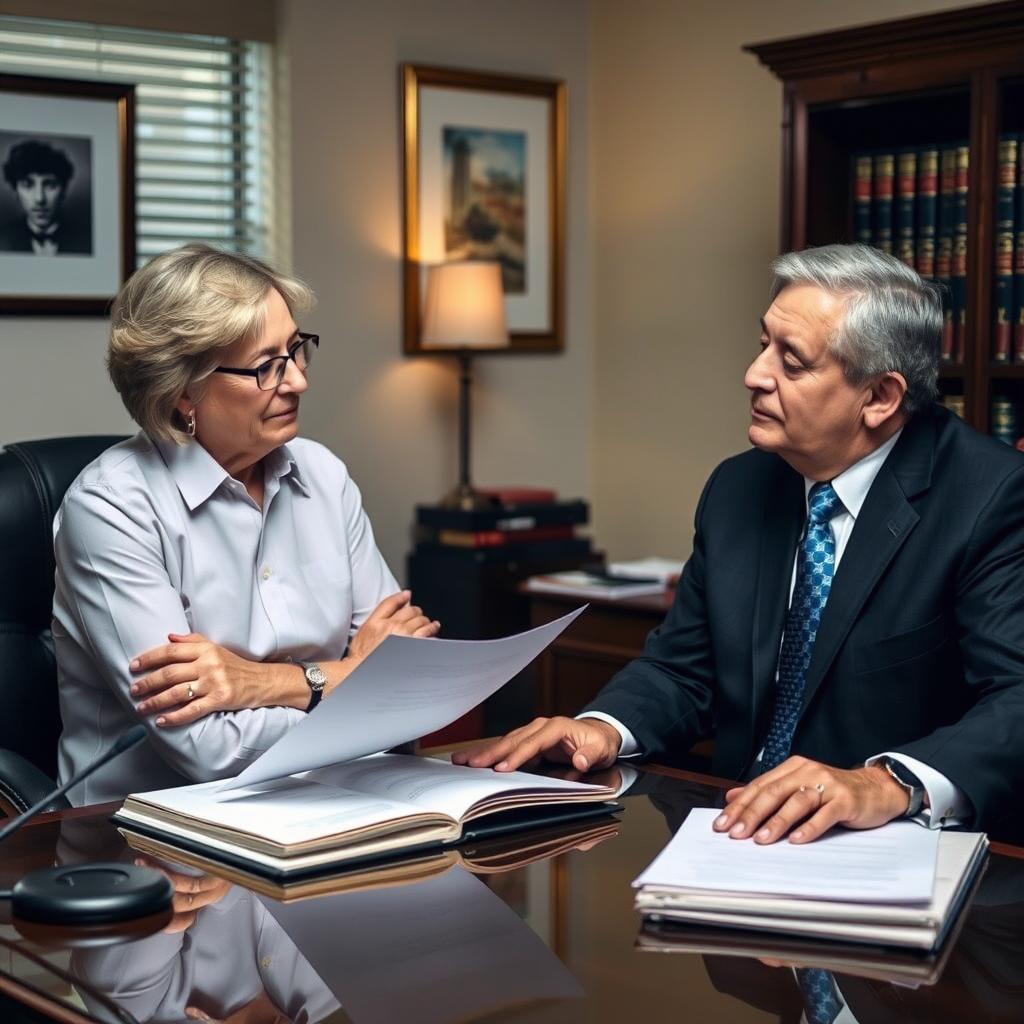
Parole Hearing Lawyer Washington County, VA
If you or a family member has an upcoming parole hearing before the Virginia Parole Board, having an experienced attorney at your side can make a meaningful difference. Law Offices Of SRIS, P.C. represents incarcerated individuals and their families in Washington County and throughout Virginia in parole matters. Mr. Sris, Owner and Founder of the firm, brings extensive criminal law experience to parole representation, including his background as a former prosecutor. Parole hearings are opportunities to present evidence of rehabilitation, readiness for reentry, and community support, and we work to build a thorough presentation for each client. To request a consultation, reach Law Offices Of SRIS, P.C. at (888) 437-7747. Law Offices Of SRIS, P.C. — Advocacy Without Borders.
What Parole Hearings Mean in Washington County, VA
In Virginia, parole decisions for individuals sentenced under certain older laws are made by the Virginia Parole Board, a component of the Virginia Department of Corrections. The board reviews cases for inmates who may be eligible for parole release based on the nature of the offense, the time already served, institutional conduct, and other factors. Washington County falls within the service territory of the board, and hearings may take place at correctional facilities or through video conferencing arrangements. Understanding the board’s guidelines and expectations is essential for building an effective presentation.
Parole is not automatic, and the board has broad discretion. A parole hearing lawyer can help you prepare by gathering supporting documentation, drafting a parole plan that addresses housing and employment upon release, and coaching the applicant on what to expect during questioning. While outcomes vary by case, Law Offices Of SRIS, P.C. works to present the strong case for each client. The firm’s attorneys rely on their familiarity with the criminal justice system and the board’s procedures to advocate effectively.
The Virginia Parole Board operates under Title 53.1 of the Virginia Code and exercises discretion to grant or deny parole.
Source: Virginia Code Title 53.1 Virginia Code Title 53.1
Reviewed by Mr. Sris, admitted in VA/MD/DC/NJ/NY.
How Mr. Sris and His Of Counsel Handle Parole Matters
Mr. Sris and his Of Counsel team approach each parole case with careful preparation. They review the inmate’s complete file, including the underlying conviction, disciplinary record, and program participation. Then they assemble documentation that highlights rehabilitation: certificates from educational or vocational programs, letters of support from family and community members, and evidence of a stable reentry plan. The team also prepares the applicant to answer the board’s questions calmly and factually, drawing on their own criminal trial experience to anticipate lines of inquiry.
The firm appears at parole hearings—whether in person, by video, or by written submission—and presents the case directly to the board. While no attorney can guarantee a particular outcome, Mr. Sris and his Of Counsel bring over 120 years of combined legal experience and have achieved over 4,739+ documented firm-wide results to the preparation of each matter. Results may vary.
About Mr. Sris and His Of Counsel Team
Mr. Sris, Owner and Founder of Law Offices Of SRIS, P.C., has practiced criminal law since 1997 and is admitted in Virginia, Maryland, the District of Columbia, New Jersey, and New York. His background includes service as a former prosecutor, giving him insight into how the state approaches sentencing and post-conviction matters. Mr. Sris testified before the Virginia House Courts of Justice Committee in support of 2019 HB 635 (chief patron Del. David Bulova). His Of Counsel team consists of experienced attorneys, each with well over a decade of practice, who work collaboratively on parole cases.
Frequently Asked Questions
Who is eligible for parole in Virginia?
Eligibility depends on the date of the offense, the type of conviction, and the amount of time already served. Virginia law changed substantially in 1995; inmates sentenced under the old law may be parole-eligible, while those convicted after the elimination of discretionary parole generally are not. The Virginia Parole Board determines eligibility on a case-by-case basis after reviewing the sentencing order and the inmate’s record. Mr. Sris and his Of Counsel can evaluate whether a particular inmate falls within the board’s jurisdiction and advise on the likelihood of a hearing.
How can a lawyer help at a parole hearing?
An experienced attorney can prepare the applicant, gather supporting evidence, and present a concise, organized case to the board. The lawyer reviews the inmate’s file to identify strengths—such as program completion, good conduct, and strong community ties—and addresses potential concerns before the hearing. During the hearing itself, counsel makes an opening statement, introduces documentation, and guides the applicant through questioning. The board may view an attorney’s involvement as a signal that the inmate takes the process seriously.
What happens during a Virginia parole hearing?
The Virginia Parole Board interviews the inmate, reviews the submitted materials, and may ask questions about the offense, rehabilitation, and reentry plan. The board typically consists of members who examine the case file in advance. A victim impact statement may also be considered if available. After the hearing, the board deliberates and issues a decision, which can take several weeks. The decision is final unless appealed through limited administrative channels.
Can I bring an attorney to a parole hearing if I can’t afford one?
There is no right to court-appointed counsel at a parole hearing, so representation must be obtained privately. Virginia does not provide public defenders or appointed lawyers for parole matters. However, some nonprofit organizations may offer assistance; otherwise, hiring a private attorney is the primary option. Law Offices Of SRIS, P.C. offers consultation and representation on a fee basis; contact the firm to discuss the specifics of your situation.
What should I bring to a parole hearing?
Bring all documents that demonstrate rehabilitation and a credible reentry plan, including certificates of program completion, letters of support, and a detailed parole plan. Make copies for each board member. Your attorney will help you organize these materials and ensure they meet the board’s submission requirements. Do not bring prohibited items or anything that could undermine your credibility. To discuss the details of your matter, contact Law Offices Of SRIS, P.C. at (888) 437-7747.
How long does the parole decision process take?
The time between the hearing and the board’s decision varies; typically it takes several weeks to a few months. The board’s caseload and the complexity of the case can affect the timeline. Once a decision is issued, the inmate is notified in writing. If parole is granted, release conditions and supervision requirements are set. Mr. Sris and his Of Counsel monitor the process and assist clients in understanding the board’s determination.
Explore related services:
- Washington County expungement lawyer
- Washington County criminal defense attorney
- Washington County DUI lawyer
- Washington County traffic lawyer
Primary sources:
- Virginia Parole Board
- Virginia Code Title 53.1 — Prisons and Other Methods of Correction
- Virginia Judicial System
Attorney advertising. Prior results do not guarantee a similar outcome.
Case results depend on a variety of factors unique to each case.